
Representation in education isn’t symbolic. It’s transformative.
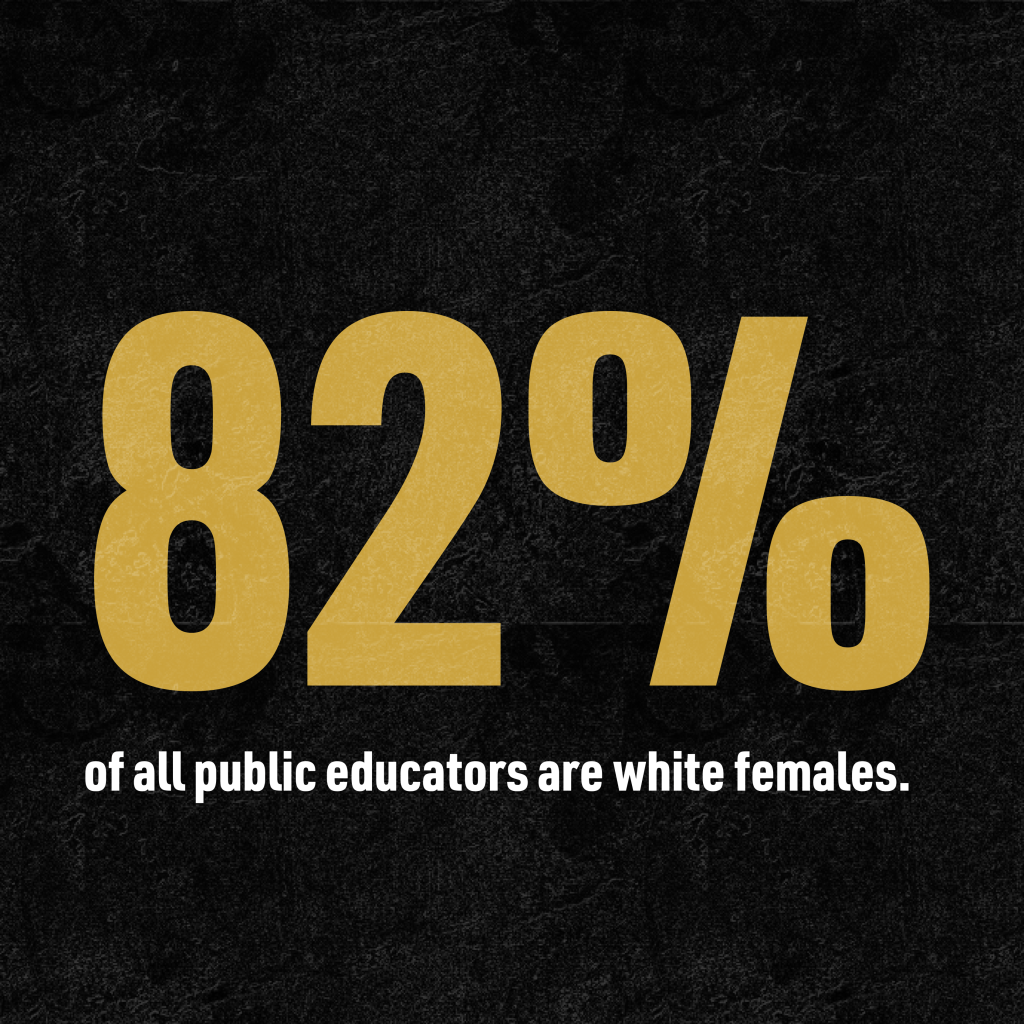
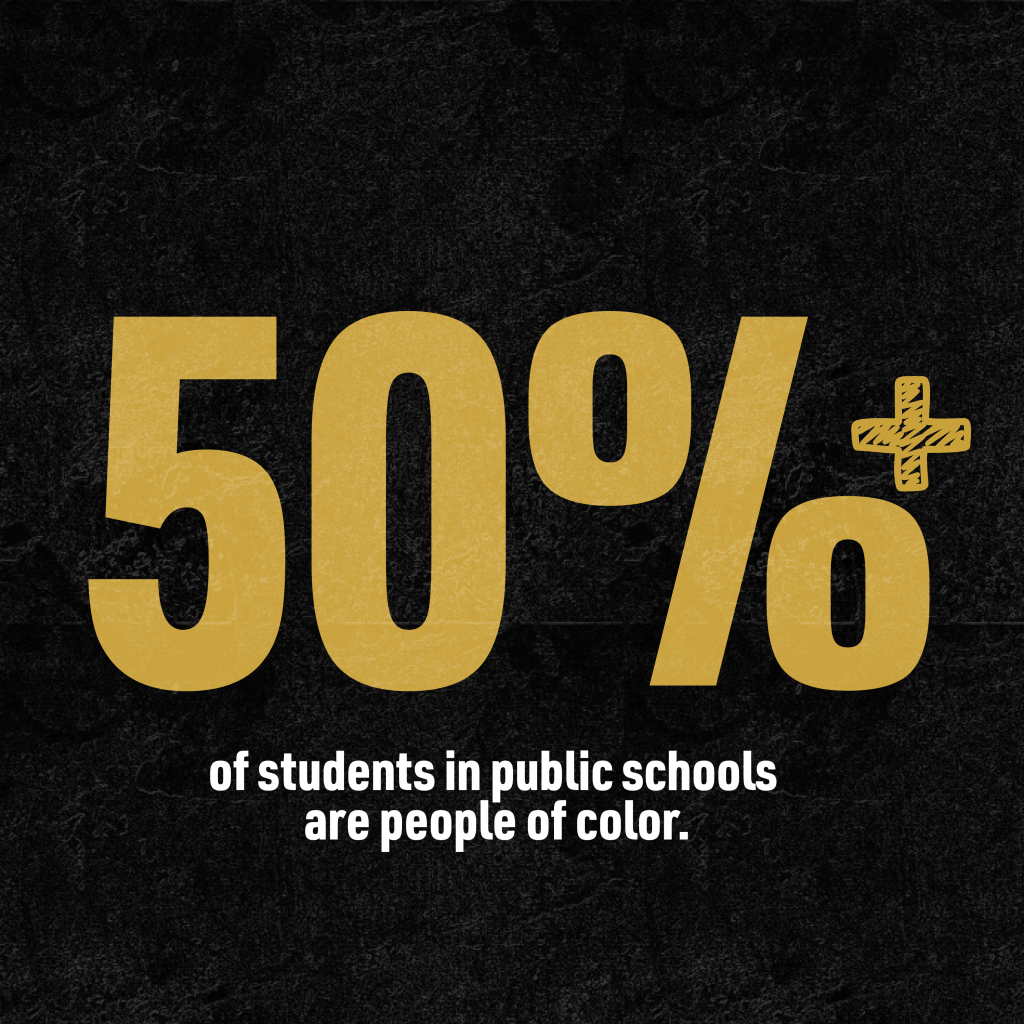
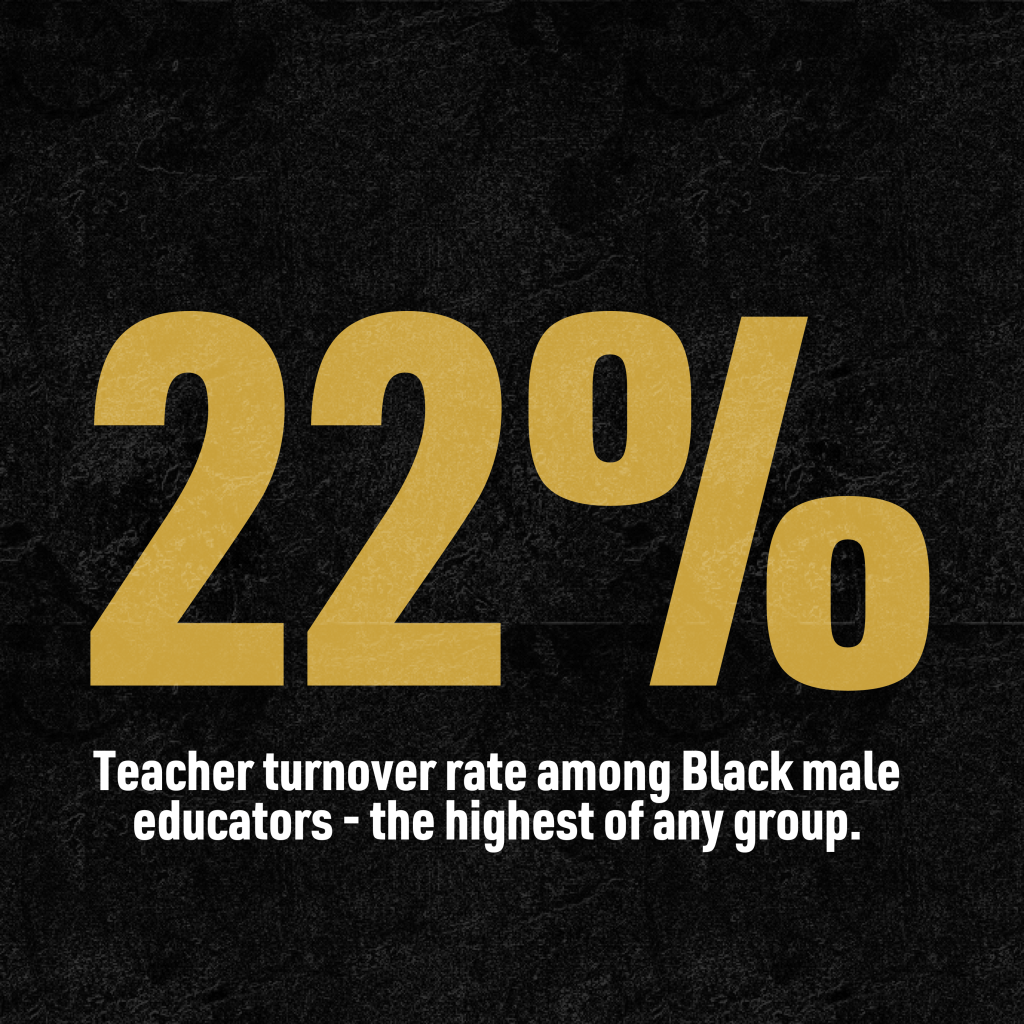
Dr. Bobby J. Rodgers Jr.’s research highlights the urgent need for Black male educators and mentors in America’s schools, emphasizing that representation directly shapes academic outcomes for Black boys. Despite making up more than half of the public school student population, students of color are primarily taught by white female educators, leaving many Black boys without role models who reflect their identities or understand their lived experiences. Rodgers argues that culturally responsive teaching and intentional mentorship programs—such as Call Me Mister and the Marathon Teaching Institute—are key to reversing academic decline. When Black male educators are present, dropout rates decrease, college aspirations rise, and students feel more connected to their education.
Research References & Book Recommendations
Scholarly References


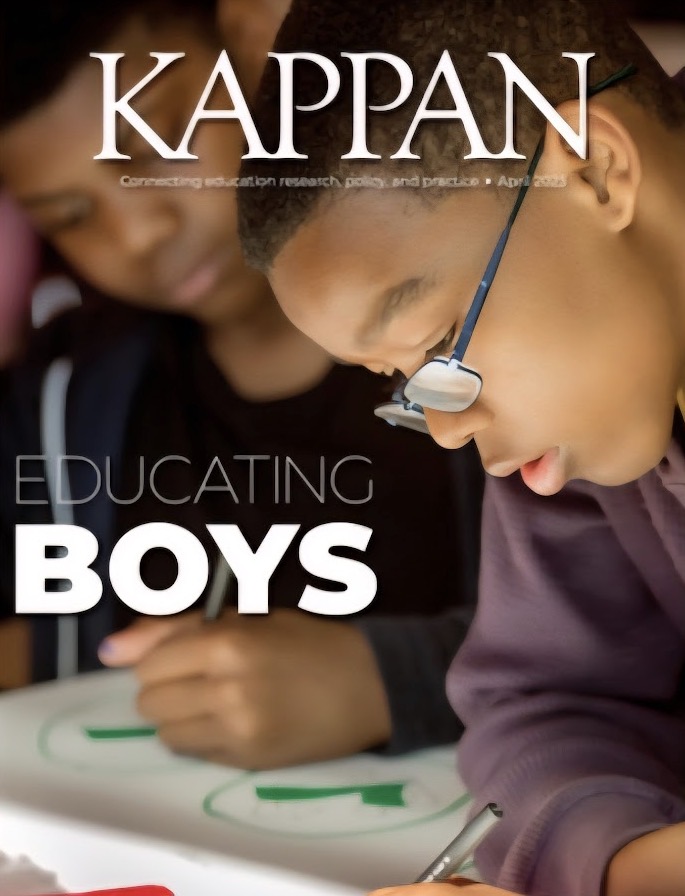
Rodgers, B. & Rodgers, D. (2023). The Need for Black Male Mentorship. Phi Delta Kappan.
Bell, D.A. (1992). Faces at the Bottom of the Well. Basic Books.
Gershenson, S., et al. (2021). The Long Run Impacts of Same-Race Teachers. NBER Working Paper.
Fenwick, L. (2022). Jim Crow’s Pink Slip: The Untold Story of Black Principal and Teacher Leadership.
Recommended Reading
These can be the more accessible or contemporary titles:
El-Mekki, S. (2018). Learning from Black Male Teachers Who Thrive. ASCD..
Kunjufu, J. (2010). Reducing the Black Male Dropout Rate..
Lewis, C. & Toldson, I. (2013). Black Male Teachers: Diversifying the States’ Teacher Workforce


 Bobby Rodgers Jr. EdD.