
The Enduring Strength of the Black Family : A Personal Reflection
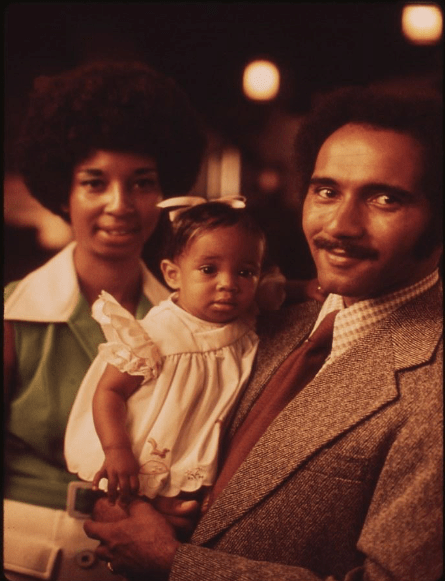
No matter how fractured or restructured, the Black family
endures—held together by those who refuse to let it fall apart.
A Look Back
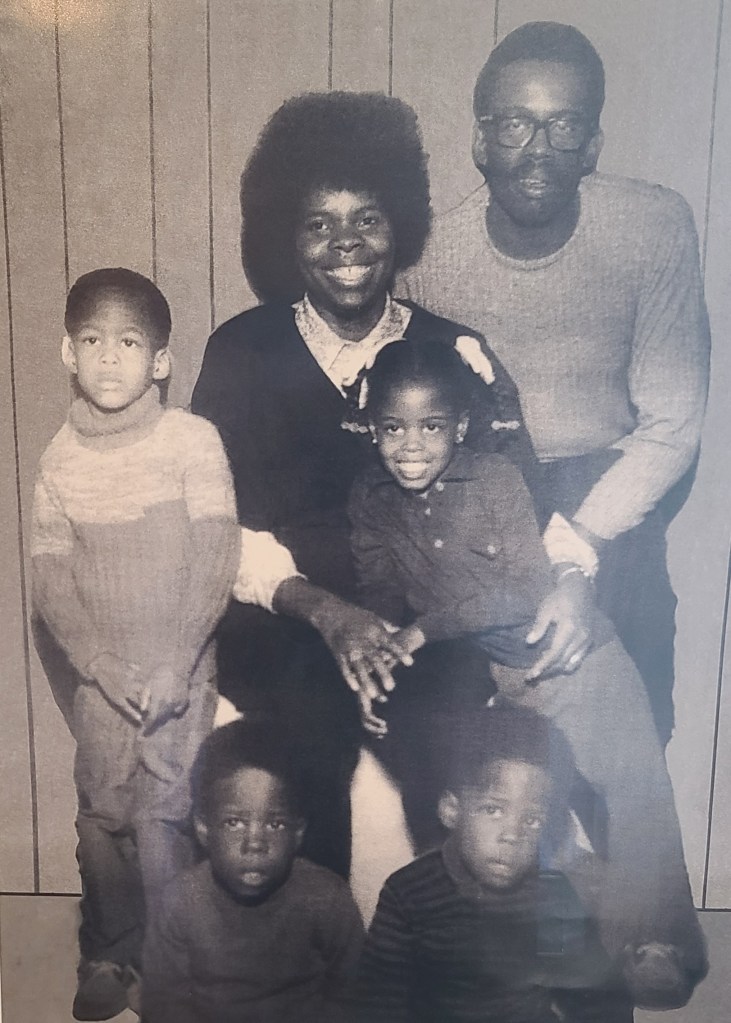
When I looked at the basic unit of society, I never had to look any further than the family. I
honestly could not imagine what life would have been without the strength and security of my
own. My mom, dad, older sister, and two brothers did almost everything together. Whether we
were at home doing chores, playing games, or simply coexisting under one roof, our bond ran
deep. We were far from perfect—individually or collectively—but we stuck together. We
endured tough times and celebrated the sweeter ones. Privacy was a rare commodity in a
household like ours; someone was always watching, teasing, or tattling to Mom, Dad, or even to
God in prayer.
As I reflected on my own upbringing, my thoughts also wandered to the many families I
observed throughout my life. I grew up in what I often described as a “Huxtable”
neighborhood—filled with strong Black families. Mothers, fathers, and children of African
American descent filled the streets, heading to work or walking to the neighborhood school.
Stay-at-home moms were rare; most parents worked hard to provide. I remembered back-to-
school nights at the local elementary school, when families packed the halls and classrooms. To
me, that was normal—simply how life was supposed to be.
When I played little league baseball in the mid-1970s through the early 1980s, the recreation
park overflowed with Black families cheering from the stands. Extended
relatives—grandparents, aunts, uncles, cousins—showed up to support their loved ones. Those
moments impressed upon me the beauty and strength of the Black family. Even now, as an adult,
I often revisit those memories and long to see those scenes again. I know Black families still
exist, but I no longer see them in the same numbers or visibility that I once did.
The family God placed me in was a churchgoing one. Sundays meant Sunday school followed by
the main service. Black families sat together in pews, each household almost like its own
tribe—father, mother, sister, and brother bound together. That was my reality. While I
occasionally noticed single-parent families, I mainly observed the differences and similarities
quietly, aware but never judgmental.
My father, who grew up in Detroit, often spoke of the struggles and poverty of his youth. Raised
by his grandmother until he was sixteen, he later moved west with relatives to finish high school
before joining the military. Though he did not grow up with his own father, he found family in
uncles, coaches, and mentors. He only met his father twice but made a vow never to be absent
from his own children’s lives—and he never was. I could say without hesitation that I knew
where my father was every night of my life for the forty years I had him.
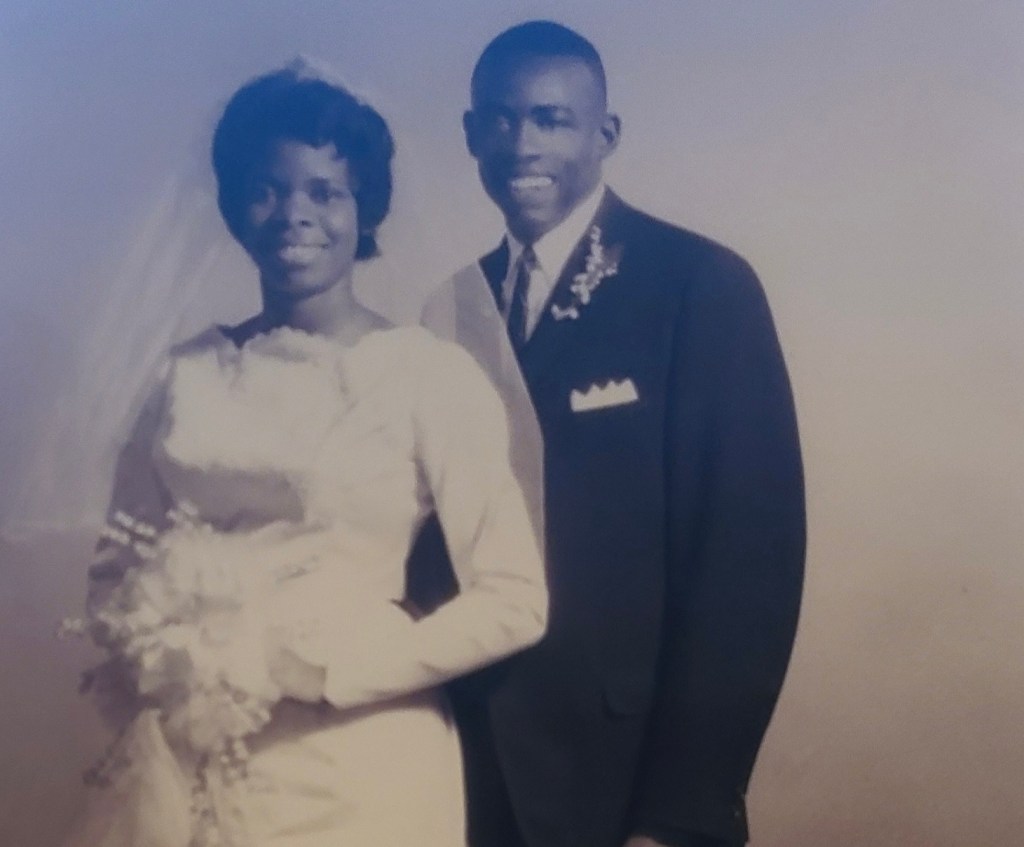
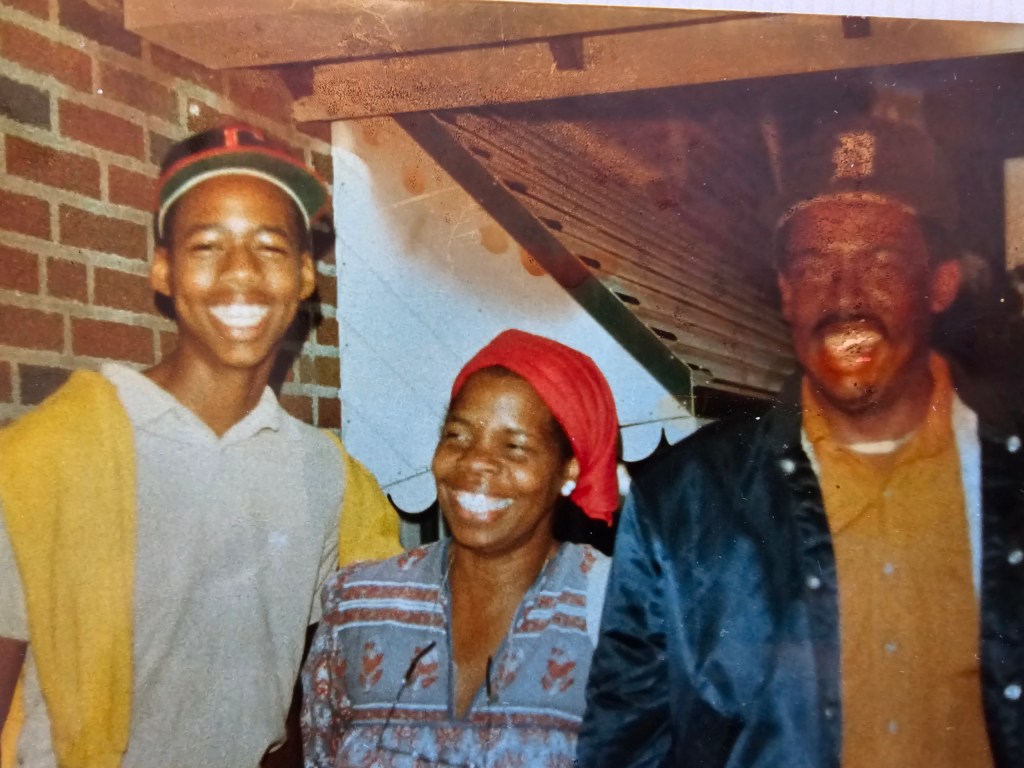
My mother, on the other hand, grew up in a two-parent household. Her father was a strict
disciplinarian who valued hard work and obedience, while her mother—the younger, more playful partner—brought warmth and balance. My mother inherited traits from both parents and
wove them into our home life, modeling discipline tempered with love.
So yes, the Black family—at least in my experience—was alive and thriving through every stage
of my growth and development.
When I attended Lincoln University of Pennsylvania, the nation’s oldest degree-granting HBCU,
I took a course called The Black Family. There were maybe a dozen students in the class, and our
primary text was Alex Haley’s Roots. Though I had already seen the book on my parents’ coffee
table and watched the television series as a child, studying it in depth brought a new appreciation
for the family structure in pre-colonial Africa. I became fascinated by the rituals, the mother’s
role in raising children, and the rites of passage led by fathers and village elders. It gave me a
clearer understanding of how and why families functioned as unified, interdependent systems.
When I later became an educator in South Central Los Angeles, I began to notice a shift in the
Black family dynamic. The absence of fathers became increasingly common. Yet, what remained
constant was the concept of family—it just looked and operated differently. The traditional
model I had grown up with had started to fade, replaced by families led by grandparents or single
mothers doing their best to hold everything together.
Many of my students came from homes where mothers and grandmothers shared the
load—educating, providing, protecting, and nurturing, often all on their own. It struck me as
profoundly unfair. I had been raised in a traditional two-parent household, and the older I grew,
the more I realized how truly fortunate my siblings and I had been.
Over the years, the Black family has weathered countless challenges: the breakdown of the
traditional household, the devastating impact of drugs and gang violence, the absence of positive
male role models, limited mentorship opportunities, high unemployment rates among Black men,
unequal healthcare access, and an education system that too often failed our children. These
barriers, rooted in systemic racism and white supremacy, have made it difficult for many Black
families to build and sustain stability.
Yet through it all, one thing has never disappeared—the resilience of the Black family. Love,
faith, and unity continue to serve as its foundation. Though the picture may look different today,
its core strength remains the same. No matter how fractured or restructured, the Black family
endures—held together by those who refuse to let it fall apart.
- BLOG 3 – When the Standard is No Longer the Standard- FeB 15, 2026
- BLOG 2 – the enduring strength of the black family – FeB 01, 2026
- BLOG 1 – the disappearing act – JANUARY 26, 2026
 Bobby Rodgers Jr. EdD.
Leave a comment